the pressure is forcing some Microsoft veterans to decide whether they want to stay and commit to the mountain of work required.
"You've gotta be asking yourself how much longer you want to do this," the executive added. People familiar with the matter said Nadella is having direct conversations with executives to secure their commitment to the transformation or facilitate their departure.
Nadella's message to Microsoft execs: Get on board with the AI grind or get out
According to an internal memo, Nadella also started a weekly AI accelerator meeting and corresponding Teams channel to speed the pace of AI work and get more ideas from across the company.
Executives do not present in these new meetings. Instead, lower-level technical employees are encouraged to speak and share what they're seeing from the AI trenches. This is designed to avoid top-down AI leadership, and is intentionally a bit messy and chaotic, according to people familiar with the new approach.
Production function, explained
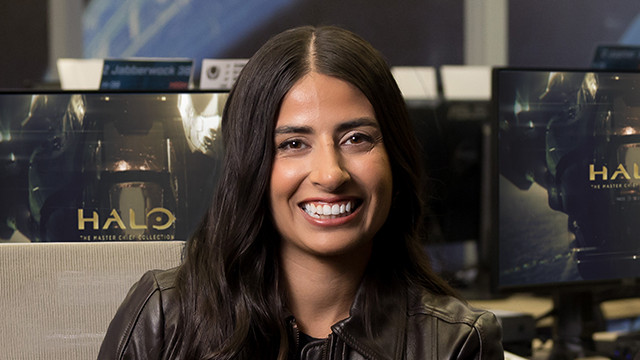
Asha Sharma, Microsoft CoreAI product president, who joined in 2024, said the company has shifted its operations dramatically in her short tenure. Nadella's new "production function" is about using AI to radically change how the company creates, builds, and delivers products and services.
When she joined, the AI industry would crank out a big new foundation model roughly every six months. Then, releases happened every six weeks. Today, AI is changing so quickly that it's forcing Microsoft to rethink not just its products but the entire way software is made, Sharma said in an interview arranged by the company.
For decades, software development has worked like an assembly line. You take a set of inputs — people, time, resources — and transform them into output. Scaling production required scaling those inputs.
"AI breaks that relationship," she said.
AI agents, data, and intelligence now act as a new type of scalable unit that can generate software, insights, and decisions without a corresponding increase in engineering hours or budget. That means the marginal cost of creating something new drops dramatically, Sharma explained, and teams can now spend more on "judgment, taste, and problem-solving."
https://www.businessinsider.com/microsoft-ceo-satya-nadella-ai-revolution-2025-12